

Why Good Strategy Stalls (Part 1 - The Execution Gap)

This is a surprisingly common occurence, present in many companies, where strategy agreed by an executive board or simply a department leader, never makes it past the Powerpoint deck. Despite much fanfare or team meetings to go through the why's and how's of this new strategy, work ca …
Diversity: The Force Multiplier of Innovation
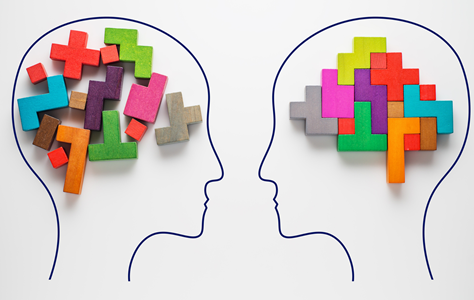
Put any 10 people into a room and our innate social need to fit in will mean we are likely to reach agreement on a great deal of things. As people, we need to conform: to an idea, an ideology or a culture. It supports our sense of identity.
Innovation Is a Cultural Behaviour, Not an R&D Department

When we talk about innovation, it is easy to picture a particular kind of person or team within a company - the product designer. the technologist or the strategist. Perhaps the slightly mysterious label on a door stating: “Innovation Lab”. Yet innovative organisations are not built b …
How Do You Sustain a Culture of Innovation?
How does an organisation retain its innovative culture when growing at 400,000 customers per month? If you ask digital banking unicornGoTyme BankGroup's Founder & CEO,Coenraad (Coen) Jonker, he'll probably reply: "One person at a time..."
Why Fear of Failure is Worse Than Failure

Failure in real life is visible, apparent, has a start and an end. Yet a fear of failure can exist in perpetuity, paralysing us in a permanent state of inaction. An experiment that does not work can still tell us something. But fear of failure starts influencing us before anything has …
That's How We've Always Done It!

Certain errors or mishaps may not seem serious at first. In fact, they may present as shortcuts, efficiencies or even alternative solutions. The ends justify the means in this respect even if it is wrong for a specific reason.
The Blame Game

Blame has a certain appeal. It is fast, emotionally powerful and gives a complicated situation a simple outcome. Something went wrong. Someone must have caused it. Find the person, blame them and shame them to prevent the error reoccurring.
AI Won't Change Your Organisation. Culture Will

There is a compelling fable of the AI mission that goes like this: the technology arrives, people use it, productivity improves, and the organisation becomes something more capable than it was. It is a useful narrative. And in most organisations, it is not what happens.
How Does Your Boss React to Failure?
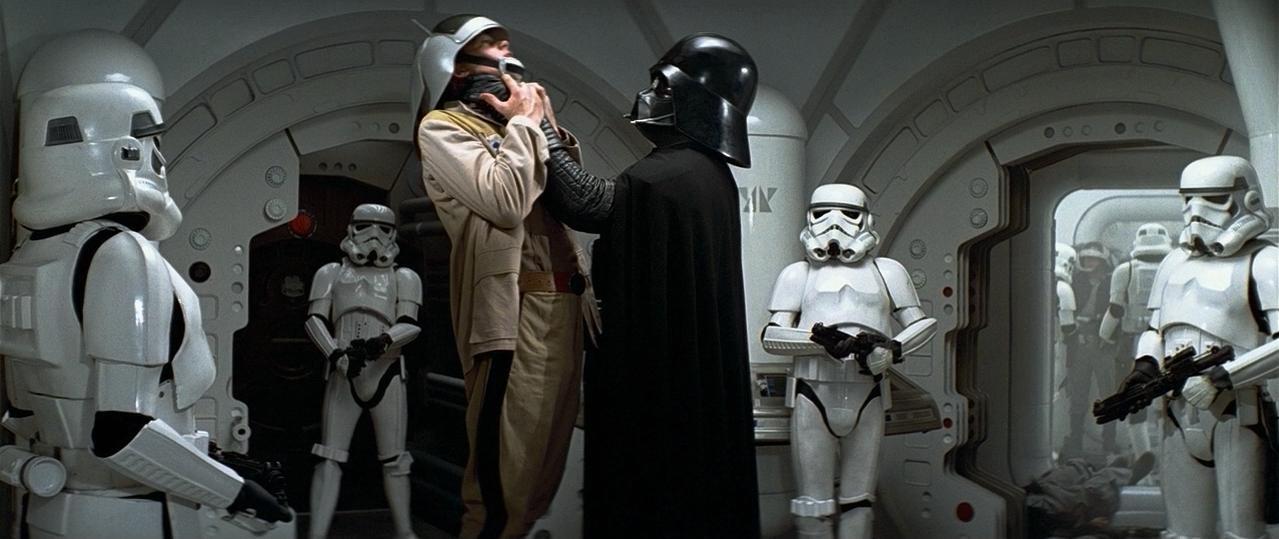
If you hear swearing, spitting or even aggression, it suggests failure is not something your boss tolerates too well. Those kinds of responses are unlikely to encourage anyone in the team to take risks or even suggest innovative ideas. Prevention of failure becomes as much a goal as h …
When Failure Is Useful - And When It Isn't.

In the first blog of this series, I argued that failure does not need to be treated as the enemy of progress. But there is an important qualification: not all failure deserves the same response.